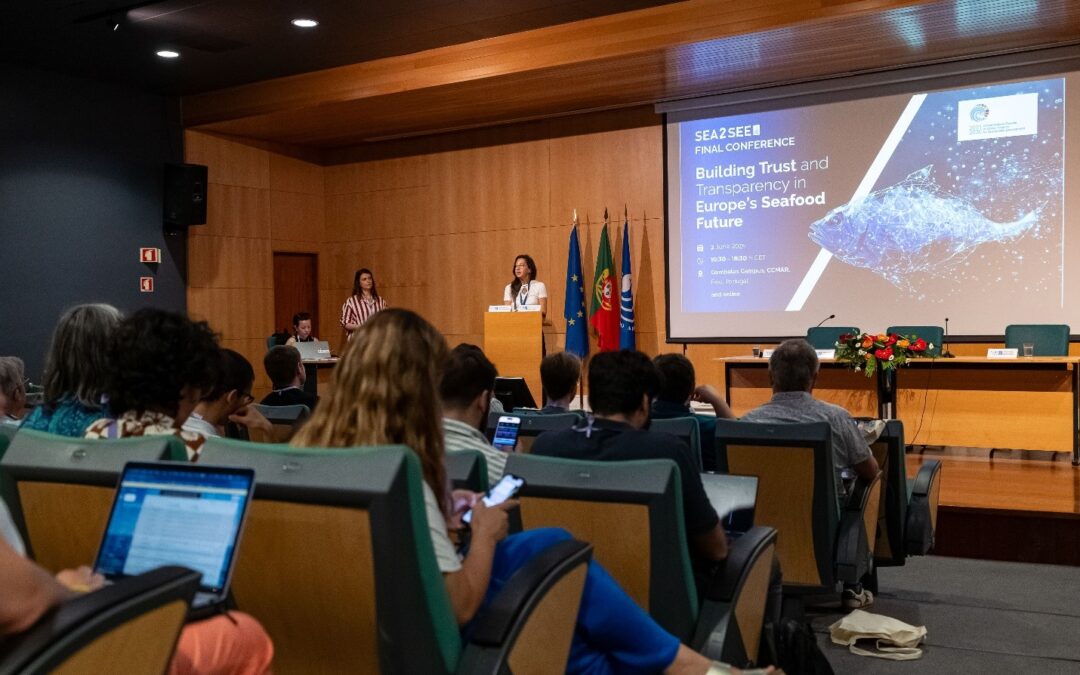
Faro, Portugal – 2 June 2026
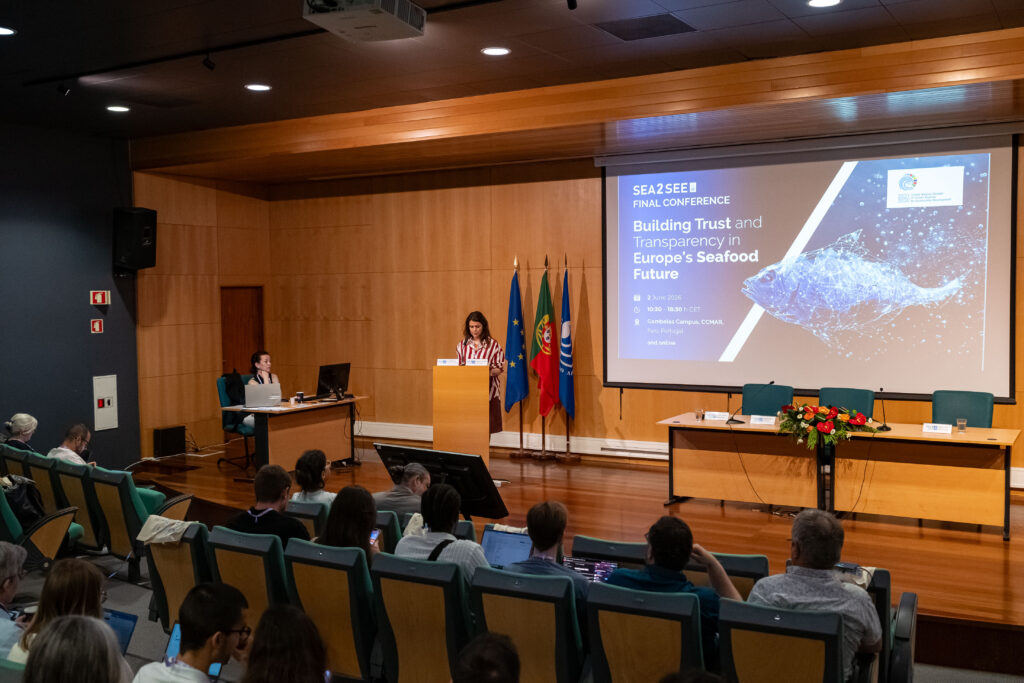
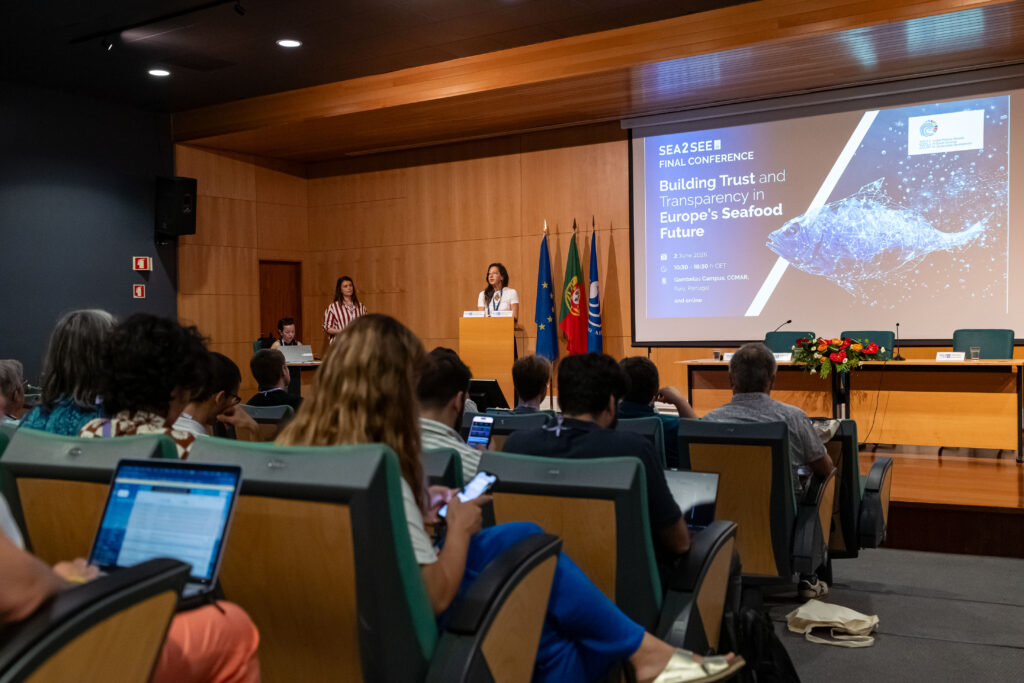
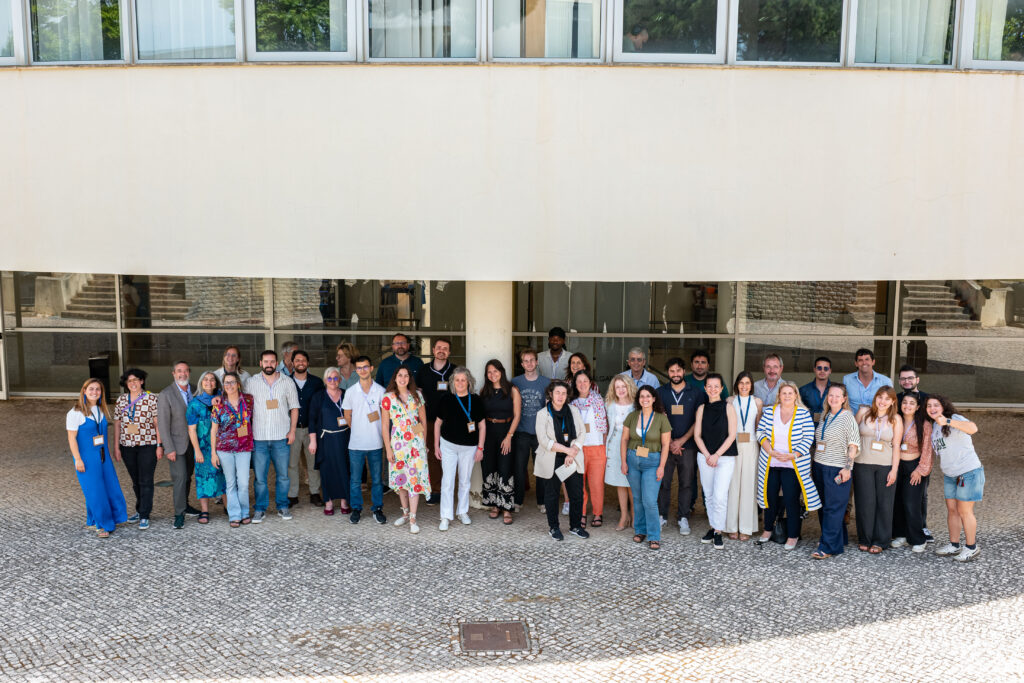
On 2 June 2026, the University of Algarve in Faro, Portugal hosted the SEA2SEE Final Conference where a sincere conversation about digital traceability, building trust and collaboration took center stage. Bringing together researchers, seafood industry representatives, technology providers and guests, the event explored how Europe can build more transparent and sustainable seafood value chains while strengthening trustworthiness among producers, businesses and consumers.
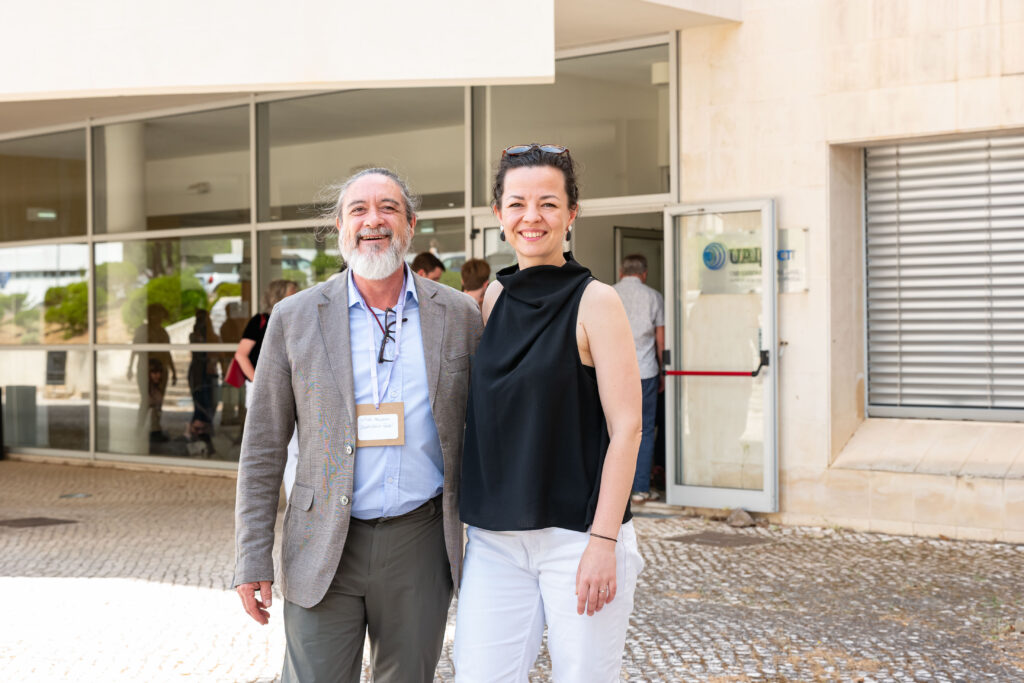
Opened by Alexandra Teodósio, Rector of the University of Algarve, alongside SEA2SEE Coordinator Carlos Mazorra, the conference conveyed a message that resonated throughout the day: trust is the foundation upon which sustainable seafood systems are built.
Traceability as the foundation of trust
In his keynote address Dr. Stefan Meyer, General Manager of the German Association of Fish Processing and Wholesale, examined the growing importance of seafood traceability in increasingly complex global supply chains.
Drawing on his extensive experience at the intersection of science, industry and policy, Dr. Meyer emphasised that traceability is no longer simply a regulatory requirement. It has become an essential mechanism for building confidence among consumers, supporting responsible fisheries management and ensuring transparency throughout seafood markets.
His keynote laid the foundation for the following discussions by demonstrating how verified information can strengthen every stage of the seafood journey – from fisheries and aquaculture producers to retailers and final consumers.
Bringing together policy, industry and society
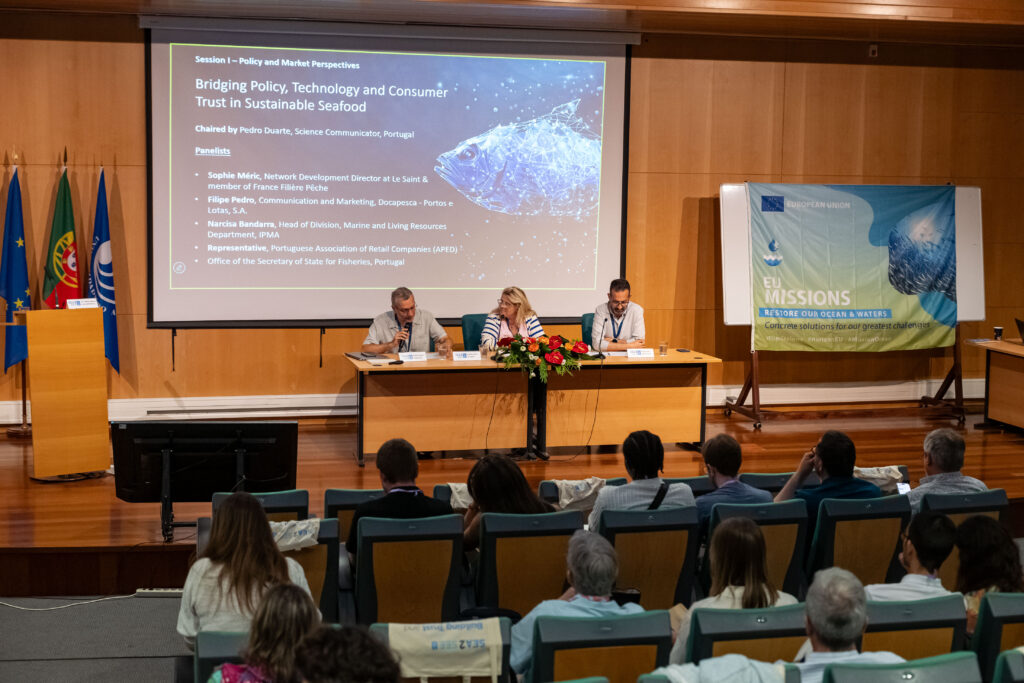
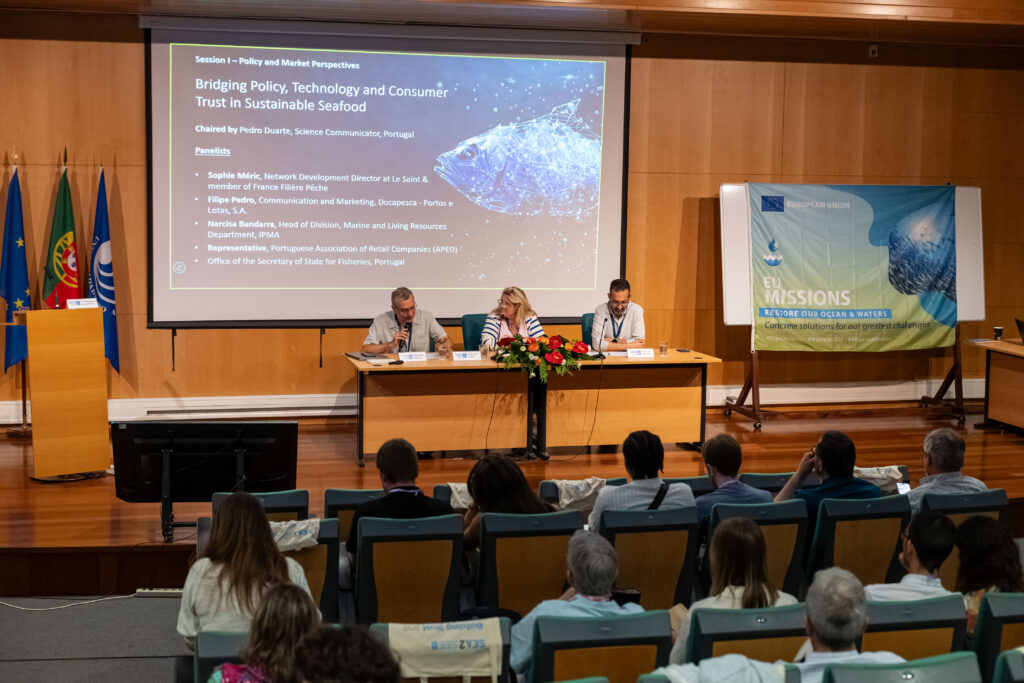
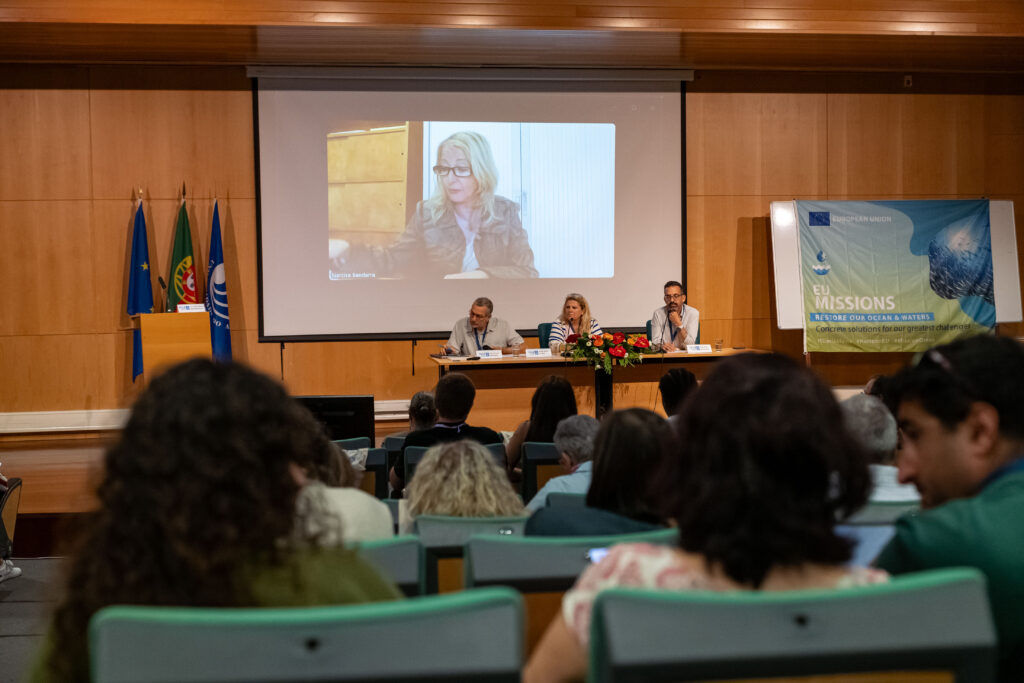
Moderated by the Portuguese science communicator Pedro Duarte, the first panel, “Bridging Policy, Technology and Consumer Trust in Sustainable Seafood,” explored how trust can be intensified through cooperation between policymakers, industry stakeholders and civil society.
Our panelists Sophie Méric, Network Development Director at Le Saint & member of France Filière Pêche, Narcisa Bandarra, IPMA and Filipe Pedro, Communication and Marketing at Docapesca – Portos e Lotas, S.A. talked about European strategies for sustainable fisheries and aquaculture, emerging traceability frameworks and evolving consumer expectations regarding transparency and sustainability.
Across the conversation, a common theme emerged: trust cannot be imposed through regulation or technology alone. It must be continuously built through collaboration, good governance and meaningful engagement among all actors in the seafood value chain.
Connecting consumers with seafood communities
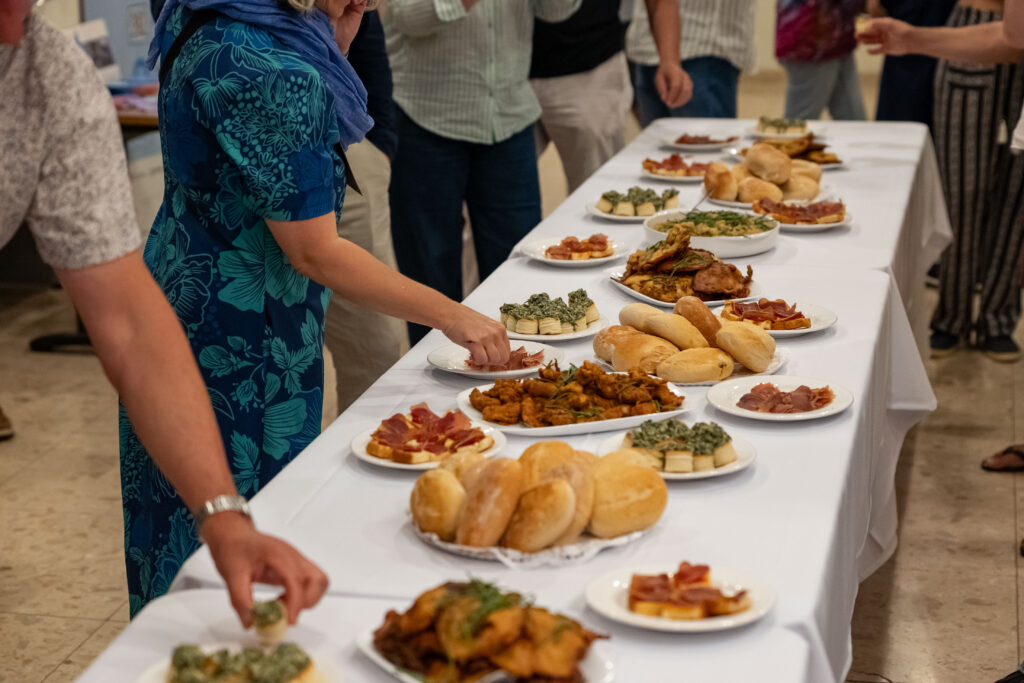
One of the most memorable moments of the conference came during the networking lunch curated by Chef José Domingos, who prepared local seafood dishes using regional products and heritage recipes.
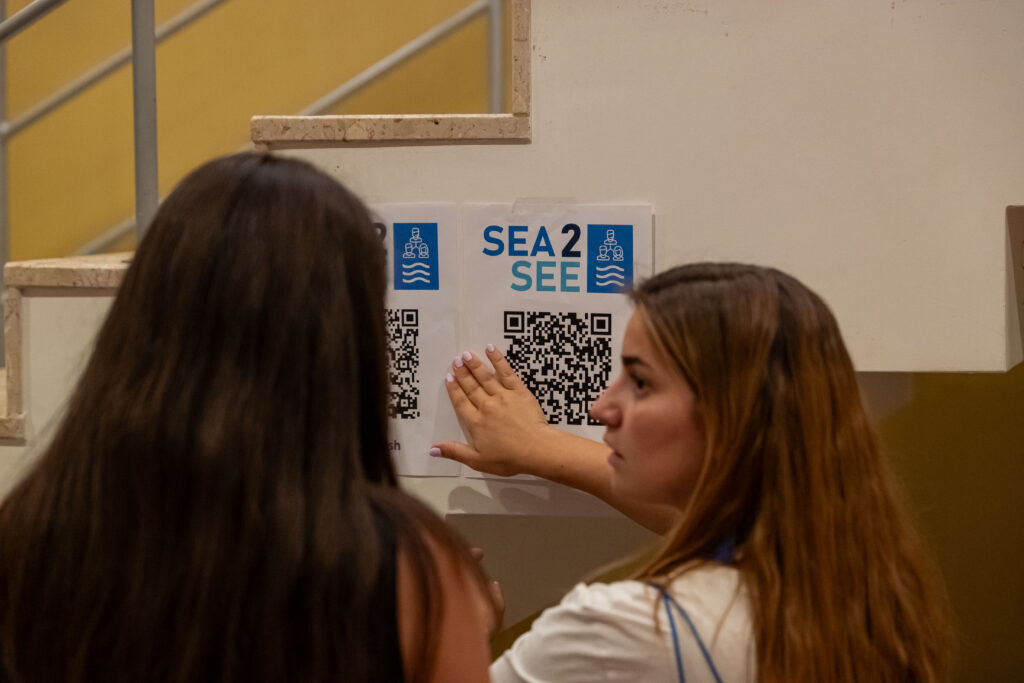
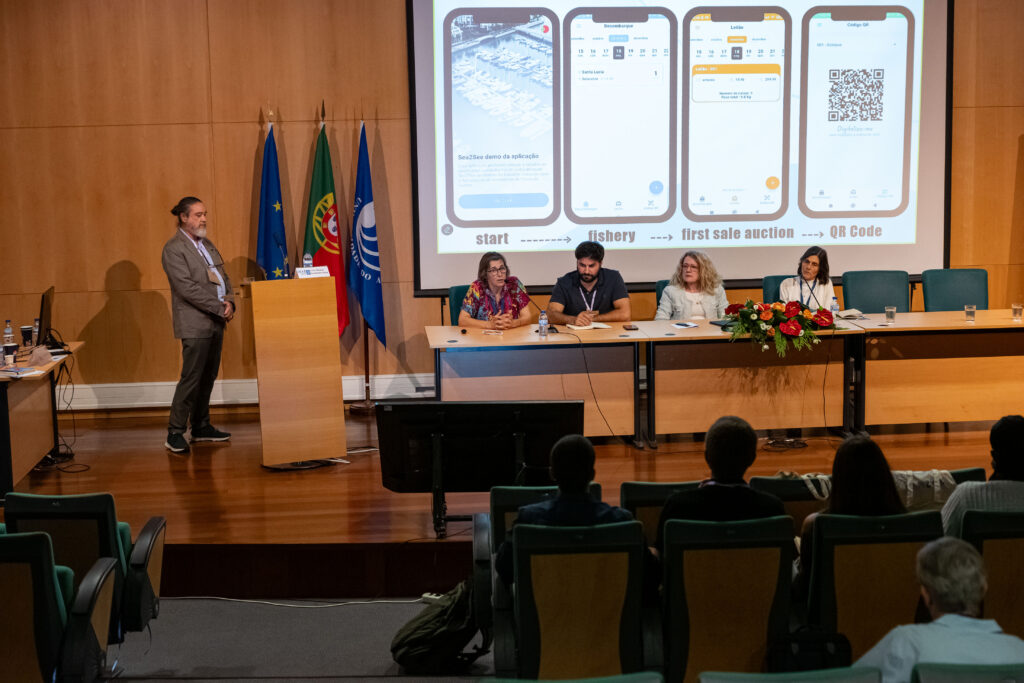
The lunch offered more than a culinary experience. Attendees were able to see the SEA2SEE traceability platform in action. They were invited to scan QR codes and explore the journey of the seafood products they were eating, from sea to their plate.
By linking local seafood traditions with innovative digital tools, the demonstration illustrated how technology can make supply chains more visible and accessible while helping consumers better understand the people and communities behind the products they buy.
The experience reflected one of SEA2SEE’s core objectives – to reconnect consumers with the origin of seafood and foster stronger relationships between producers and the public.
Four years of innovation and collaboration
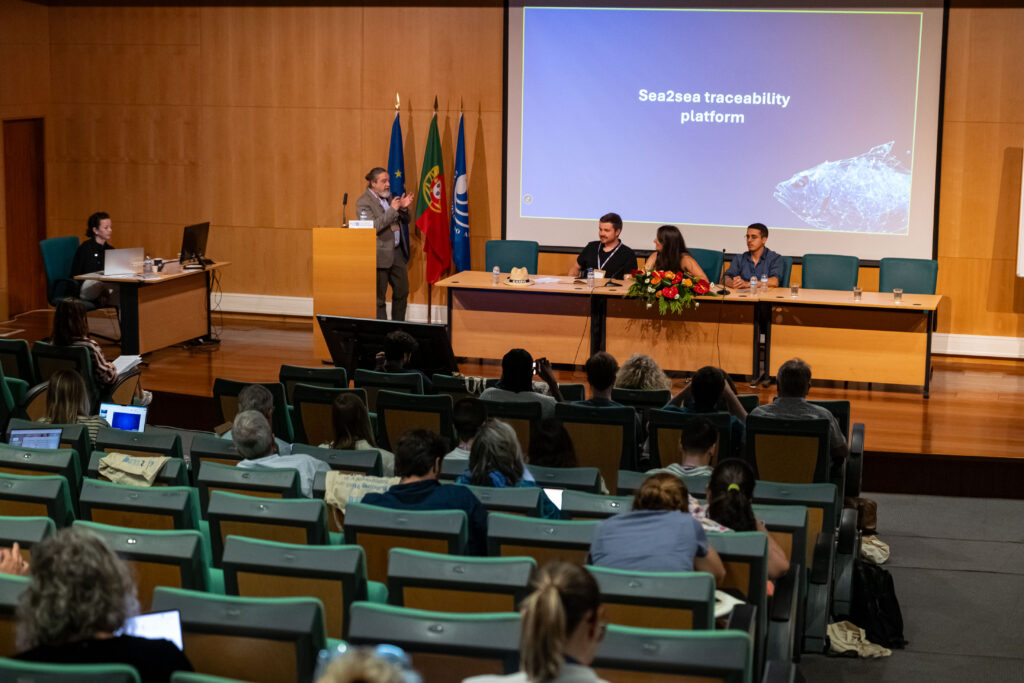
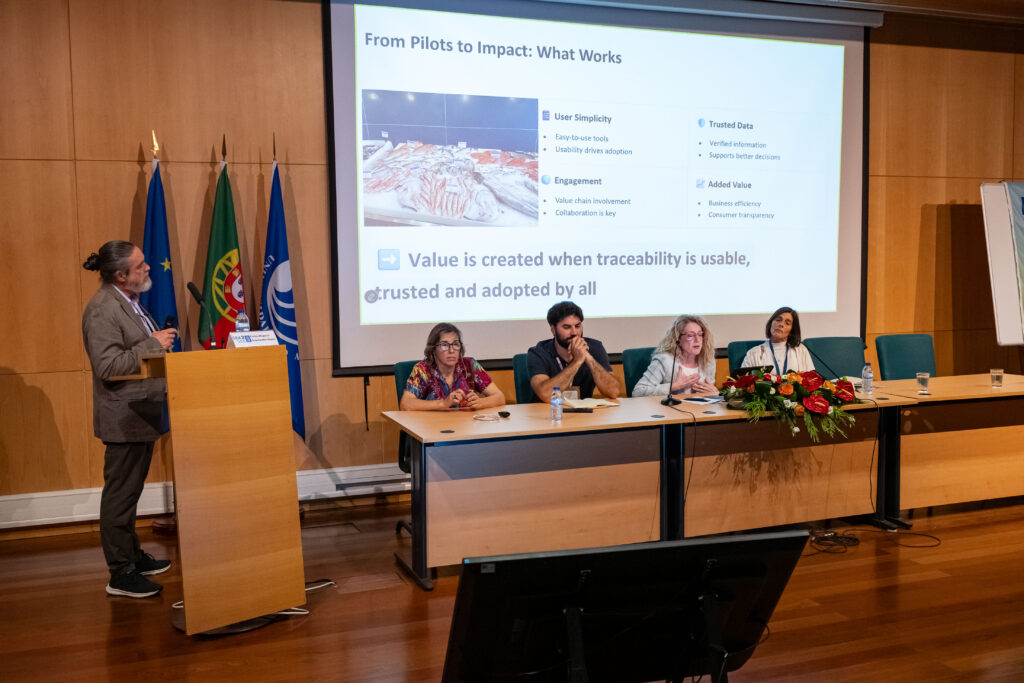
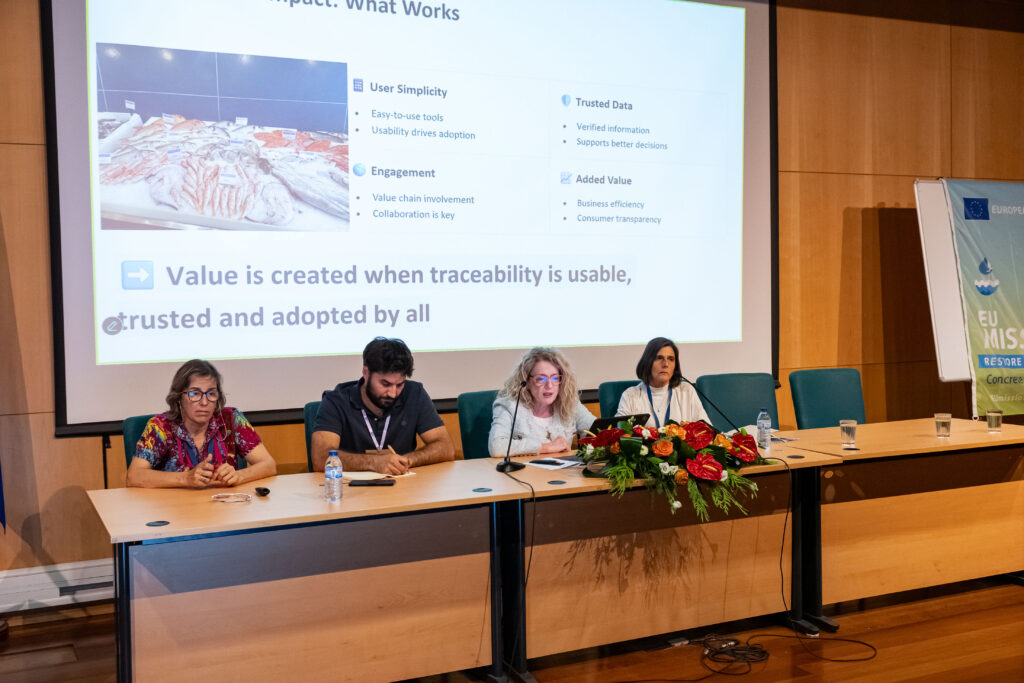
The afternoon session, chaired by Carlos Mazorra, showcased the project’s achievements and lessons learned over four years of project implementation.
Presentations from SEA2SEE partners highlighted the development of the project’s blockchain-enabled traceability solution, pilot use cases involving meagre, seabream and octopus value chains and the environmental and nutritious insights generated through life-cycle assessment activities.
SEA2SEE team members from Smartwater Planet, Tilkal, Page Up, SEAentia, CCMAR, NAYS and ANFACO demonstrated how digital innovation can support sustainability objectives while responding to real-world industry needs.
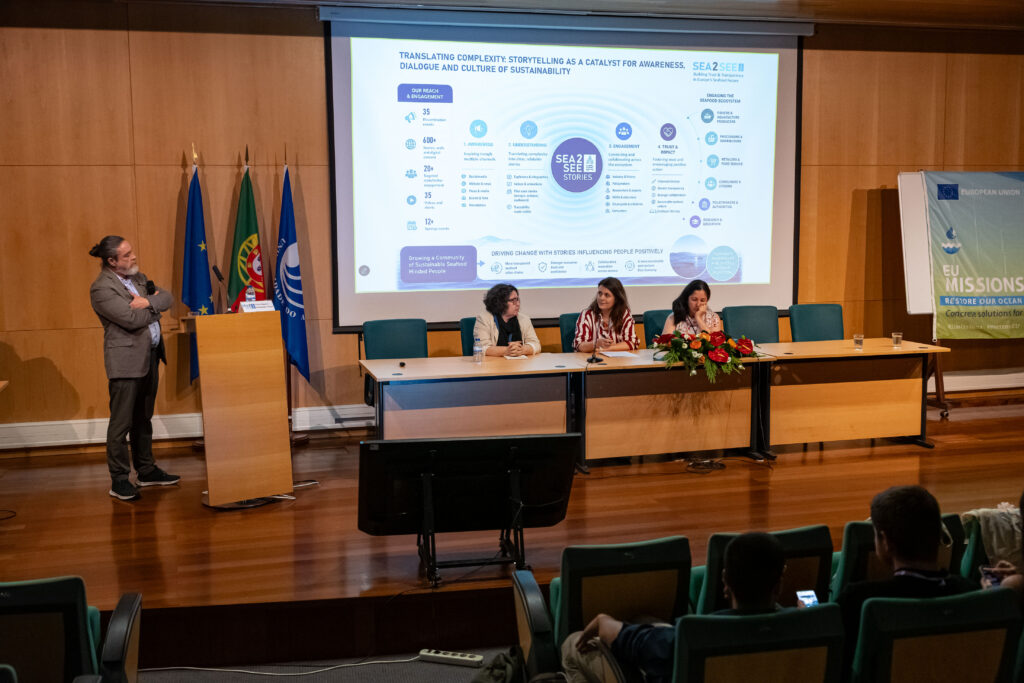
Alongside the technological achievements, speakers emphasized the human dimension of innovation. The session involved Cristina Pita from the University of Aveiro, Juanita Zorrilla from Submon and Ani Hristova from Europroject who focused on stakeholder engagement, seafood literacy, social acceptance and the challenges associated with adopting digital traceability solutions across diverse communities and business environments, often with differing interests and values.
Strengthening Europe’s blue food community through collaboration
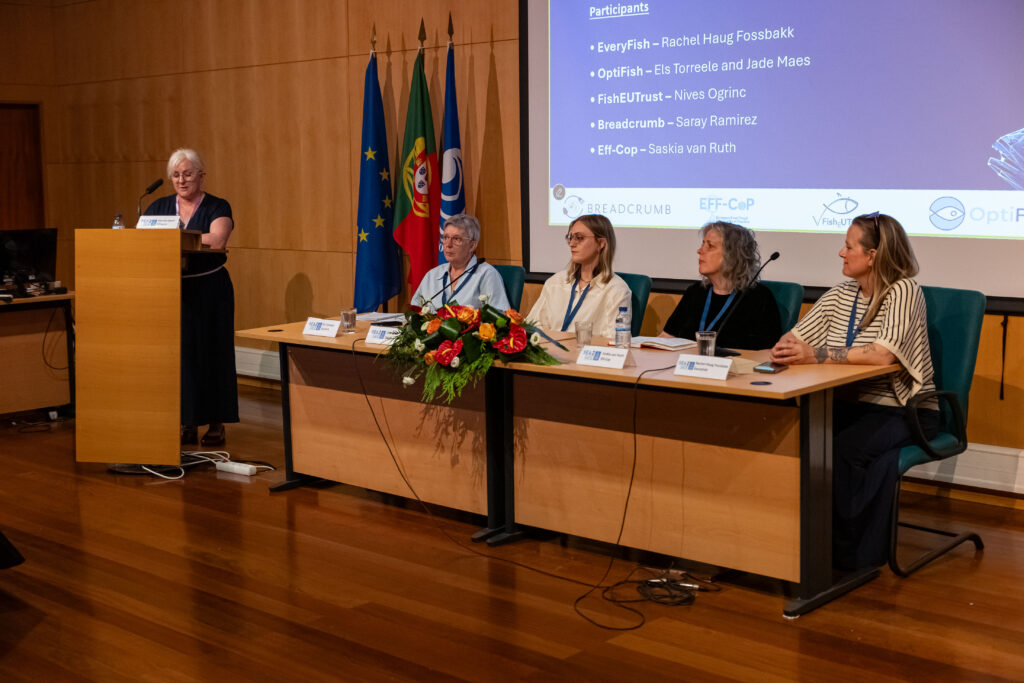
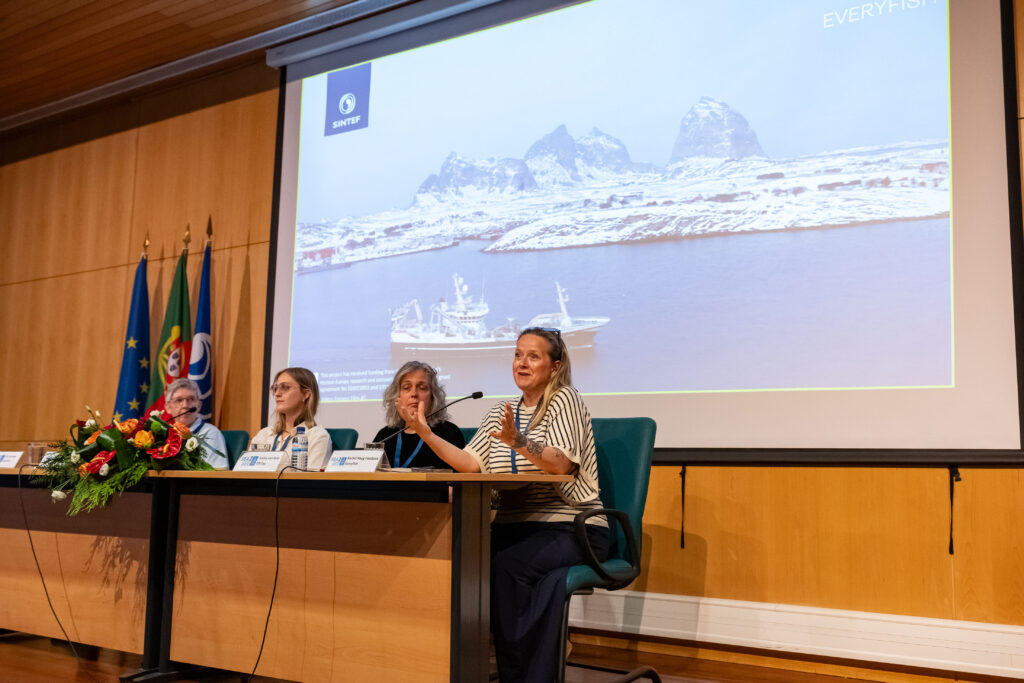
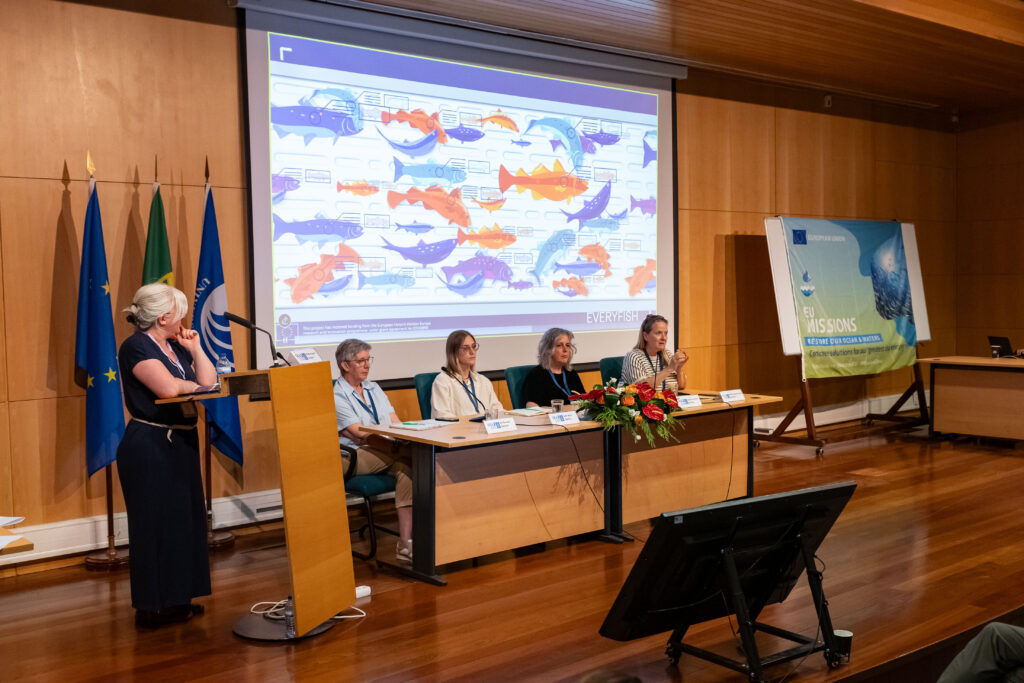
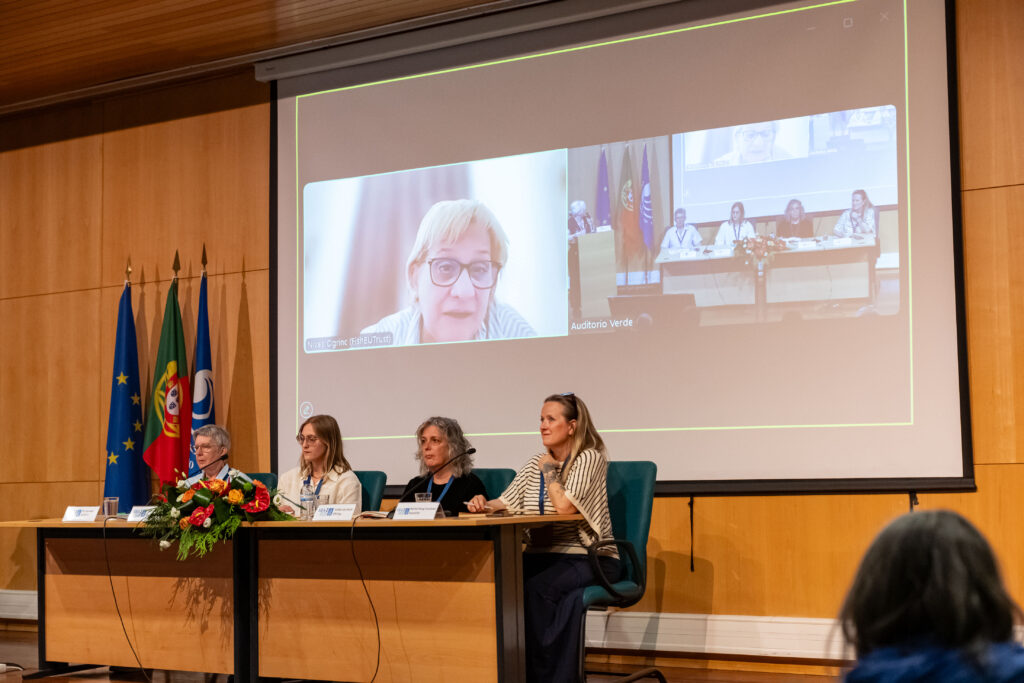
The conference’s third session, chaired by Marthe Jewell, Vitagora, drew upon the importance of collaboration beyond individual projects. During the roundtable “Collaborating for a Transparent and Sustainable Blue Food Ecosystem”, representatives from EveryFish (Rachel Haug Fossbakk), Eff-CoP (Saskia van Ruth), Breadcrumb (Saray Ramirez), FishEUTrust (Nives Orginc), and OptiFish (Els Torreele and Jade Maes) shared their experiences in advancing traceability, food integrity, consumer engagement and digital innovation across seafood value chains.
The discussion showcased how similar initiatives can work together to strengthen transparency, enhance consumer confidence and accelerate the transition towards more sustainable blue food systems. A key takeaway from the session was that trust is not built by individual technologies or projects alone, but through continued cooperation, knowledge sharing and stakeholder engagement across Europe.
Building a community for transparent seafood
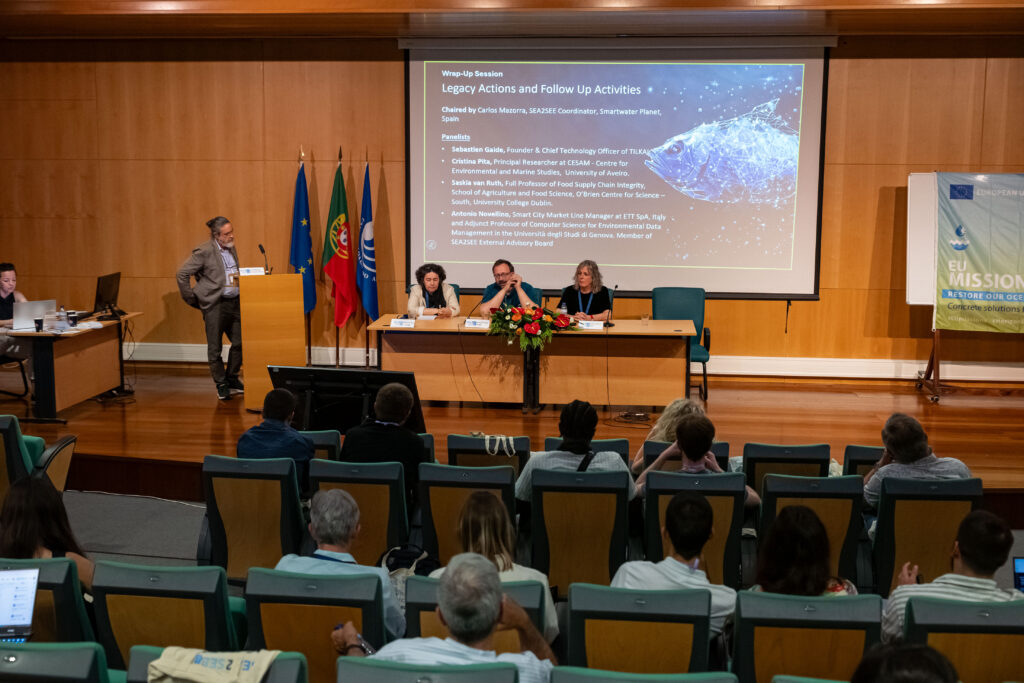
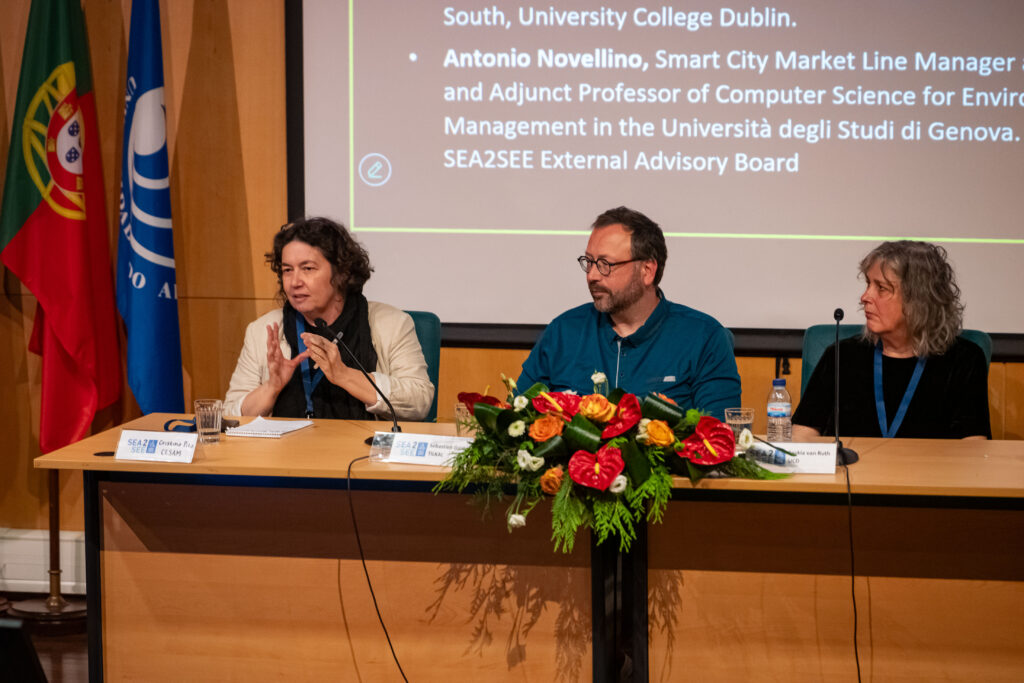
The conference concluded with a forward-looking session bringing together research, technology and policy viewpoints through the contributions of Sébastien Gaïde, Tilkal, Cristina Pita, University of Aveiro and Saskia van Ruth, University College Dublin and coordinator of the EU Cluster for Food Integrity and Trust.
The panel reflected on how the lessons learned and solutions developed through SEA2SEE and other food integrity related projects can support future policy development, industry practices and consumer education initiatives across Europe.
While discussing opportunities for scaling and replication, speakers consistently returned to a shared conclusion: transparency is not simply a technical challenge. It is a social process built on dialogue and collaboration among communities throughout the seafood ecosystem, and across disciplines and sectors.
Looking ahead
As SEA2SEE approaches the end of its journey, its legacy extends beyond blockchain technology and digital traceability tools.
The project has demonstrated that a sustainable seafood sector requires more than data. It calls for engagement, understanding and cooperation among everyone involved – from fishers and aquaculture producers to processors, retailers, policymakers and consumers.
The SEA2SEE Final Conference served as a powerful reminder that the future of seafood transparency will be shaped not only by technological innovation, but also by the strength of the relationships that connect people from sea to plate.