
Authors: Gisela Costa, Cristina Pita, Mafalda Rangel
ABSTRACT:
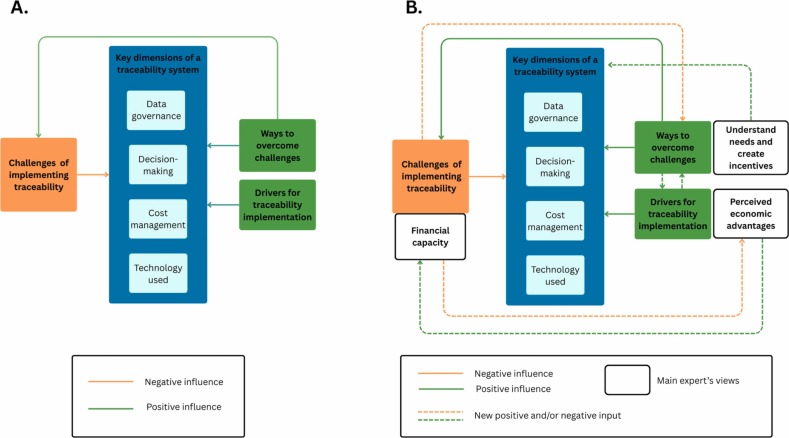
With the globalization of aquatic food markets and rising legislative demands, traceability systems are gaining traction both as tools for tracking products, as well as potential levers for improving management, equity, and social responsibility across supply chains. However, their current implementation in fisheries often reinforces existing power imbalances, raises concerns about unequal burdens on supply chain actors, exposes interoperability challenges and the existent restricted information flows to consumers. To better understand digital traceability dynamics in fisheries, experts from a range of sectors (including the fishing industry, research and technology) were interviewed (n = 43) to identify key incentives and barriers about these systems. The study proposes a conceptual framework linking influencing factors (drivers, challenges, and solutions) to key dimensions of digital traceability systems, including governance, costs, data ownership, and technology use. Findings reveal that economic factors dominate both as primary drivers and as barriers to adoption of digital traceability. While stakeholders recognize benefits such as improved market access or enhanced consumer trust, they also highlight implementation and maintenance costs as continuous major challenges, particularly for small-scale fisheries and businesses. Experts also emphasize the importance of developing context-specific and interoperable solutions, supported by adequate financial and technical assistance. Additionally, regulation can be a powerful catalyst for the adoption of digital traceability in fisheries, but to be effective, it must go beyond just aiming for legal compliance to also foster inclusivity, resilience, and shared responsibility across fisheries value chains.
Follow the link to read the full paper published in Marine Policy: https://doi.org/10.1016/j.marpol.2026.107265